The Great AI Hype Correction of 2025
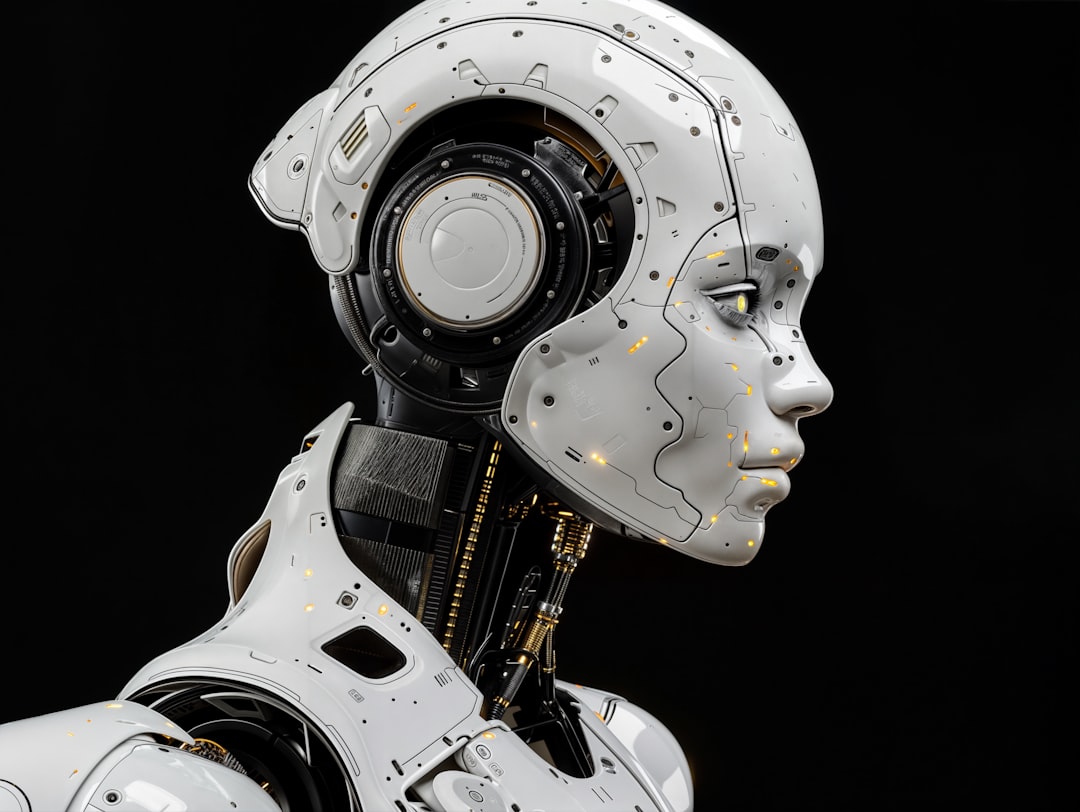
2025 has been a year of reckoning for artificial intelligence. After years of breathless hype, we're finally seeing a correction — and honestly, it's long overdue.
The Reality Check
The numbers tell a stark story. Studies have shown that a significant majority of businesses that tried integrating AI found little to no measurable value. Agents powered by top LLMs from OpenAI, Google DeepMind, and Anthropic still struggle to complete many straightforward workplace tasks autonomously.
This isn't a failure of AI — it's a failure of expectations.
What Went Wrong
The AI industry made a critical mistake: it sold a vision of the future as if it were today's reality. Demos looked magical. Pitch decks promised revolution. But when rubber met road, most organizations discovered that:
- Data quality matters more than model quality. You can have GPT-5, but if your data is a mess, you'll get sophisticated garbage.
- Integration is the hard part. Building a chatbot is easy. Integrating it into existing workflows, security models, and compliance frameworks? That's where projects die.
- ROI is harder to measure than expected. "Productivity gains" sound great in a board meeting but are notoriously difficult to quantify.
Why This Is Actually Good News
Every technology goes through this cycle. The internet had the dot-com bust. Mobile had its "there's an app for that" fatigue. Cloud computing had its own period of disillusionment before becoming genuinely transformative.
The hype correction does several healthy things:
- It forces focus. Companies stop chasing shiny demos and start solving real problems.
- It rewards substance. The builders who've been quietly doing the hard work of making AI actually useful will be the ones who thrive.
- It resets expectations. When you stop expecting magic, you can start appreciating genuine utility.
What Builders Should Do
If you're building with AI right now, here's my advice:
Start with the problem, not the technology. Don't build an "AI-powered" anything. Build something that solves a real problem, and use AI where it genuinely helps.
Be honest about limitations. Your users will trust you more if you tell them what your product can't do.
Focus on the unsexy stuff. Data pipelines, evaluation frameworks, monitoring dashboards — these aren't glamorous, but they're what separates toys from tools.
Play the long game. The companies that survive hype corrections are the ones building real value, not the ones chasing the next demo.
Looking Ahead
The AI hype correction of 2025 isn't the end of AI. It's the end of the beginning. The technology is real, the potential is enormous, and the builders who stay focused on substance over spectacle will be the ones who define the next decade of computing.
The hype is over. The real work begins now.
Comments
No comments yet. Be the first to share your thoughts.